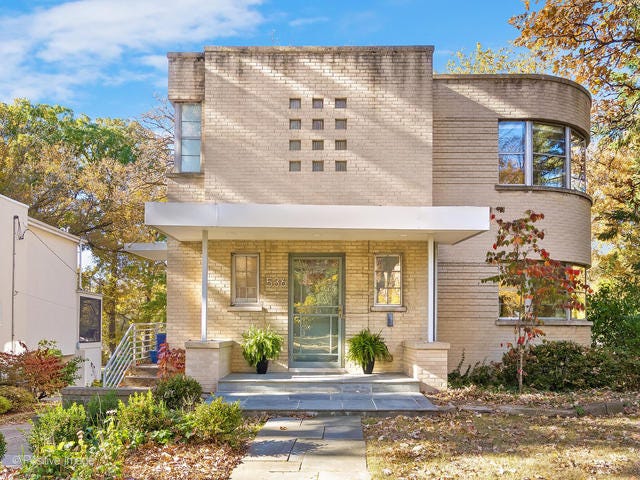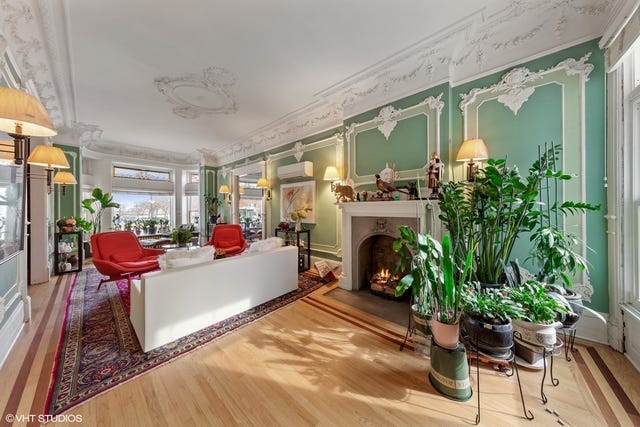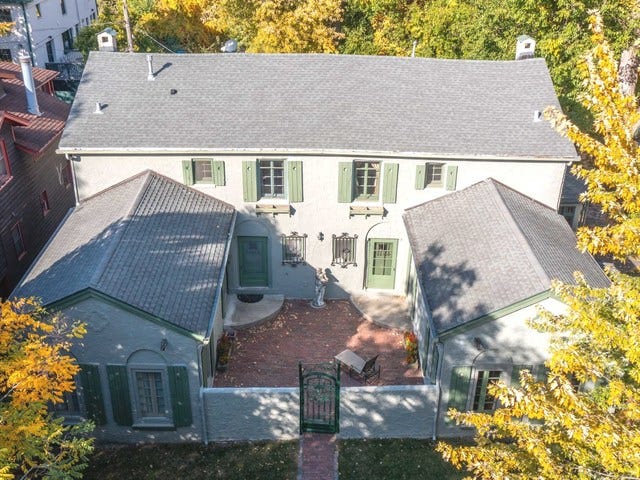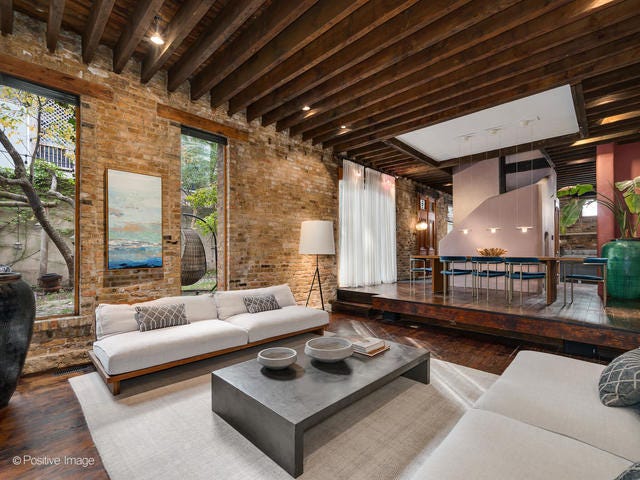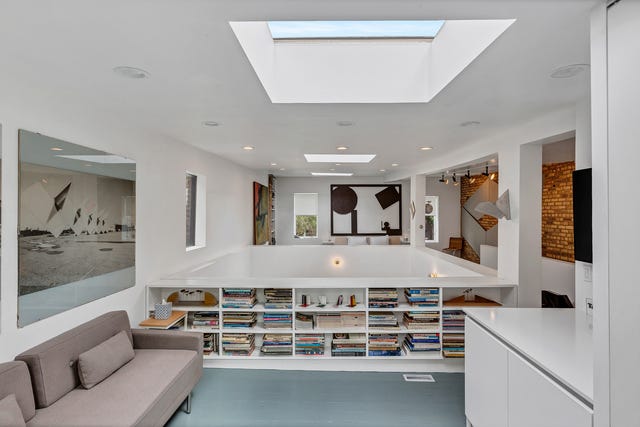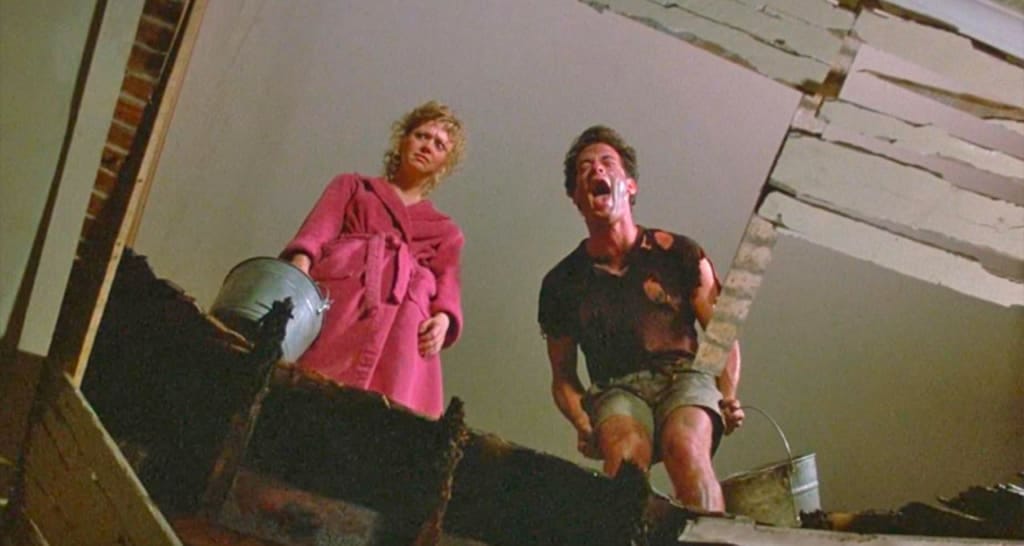



About eight months ago, when we were midway through our project at 1934 Superior, a broker we know called about another house down the street that might be coming on the market. It was exactly the kind of house we had always hoped to restore, and exactly the kind of house that rarely survives Chicago’s teardown economy.
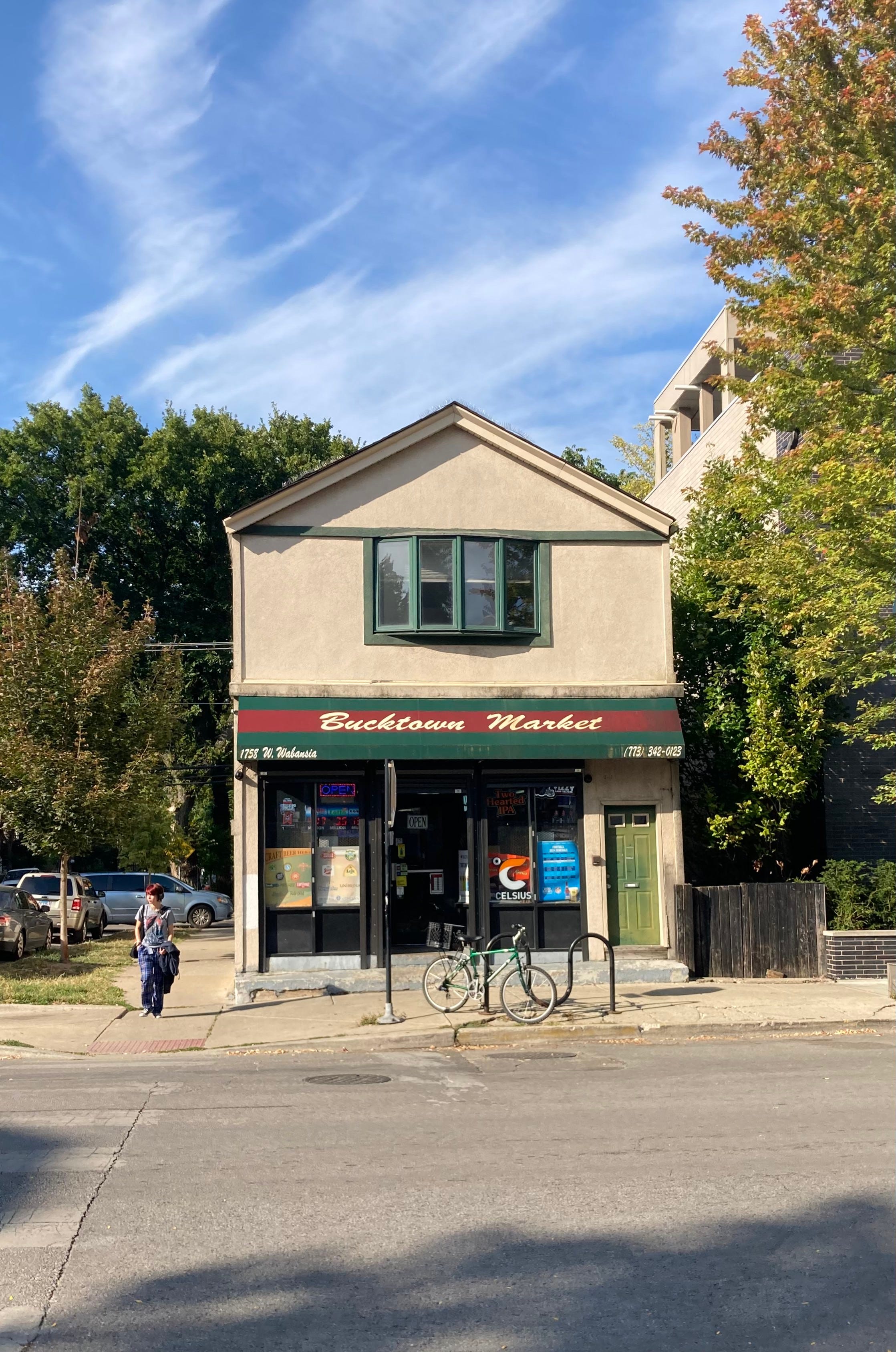
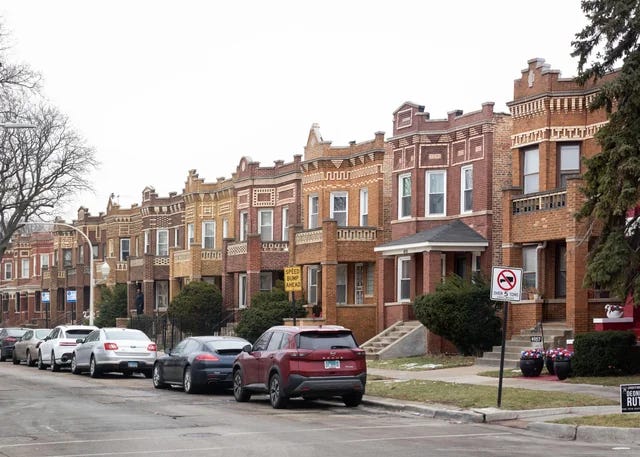
The house was right up our alley. A turn-of-the-century “Worker’s Cottage” with some unusual quirks. The Worker’s Cottage was the dominant form of single-family home in Chicago until around the turn of the century. The forms of these types of houses varied from neighborhood to neighborhood and from era to era, but most are very similar, with a few aesthetic variations. This house had a very short front setback and a huge 3-panel bay window in front, both rare features on a cottage that gave us both precious extra interior footage and more light infiltration into the living space than an average Worker’s Cottage allows.

Get them in the fucking car.
That’s the credo a friend and ex-Zillow Flex operator drilled into his team of brokers during their weekly meeting. The “them” in this mantra is usually an unwitting prospective homebuyer who clicked the prominent blue “Contact an Agent” or “Request a Tour” button displayed on the Zillow listing of a property they were interested in. Instead of being connected to the broker listing the property in question, the prospect is rerouted to one of the agents on his Zillow Flex team, who then sets up a showing with the listing agent of the subject property.
At the showing, there are two brokers. This other broker is identifying as the listing agent. What? It becomes clear that the Zillow broker you spoke to isn’t the one listing the property. If they aren’t the listing broker, who are they and why are they here?
Getting this wary prospect into the car or to the curb in front of the house for some “curb chat” was this Zillow team’s way of diffusing an awkward and confusing initial showing experience. Ideally, the Zillow agent’s chatter is so good that it convinces this prospect to work with them, sign a legally binding Buyer Broker Representation Agreement that day, and become a client.
Over the last decade, the seemingly inert mechanism behind browsing online listings has transformed into a multi-billion-dollar enterprise for Zillow and has upended how real estate brokers do business. Even as lawsuits put a microscope on Zillow’s controversial tactics, buy-in remains strong amongst local brokers. Nearly a third of the 15 highest-grossing real estate teams in Chicago are members of Zillow’s Flex program, and dozens of other brokers pay thousands of dollars a month for its pay-for-lead program called Premier Agent.
Through Zillow’s dominance as the American real estate “super app,” the company has created far-reaching implications that extend beyond just the bait-and-switch tactics of the Zillow Flex program. Zillow can dictate who sells you a house, who gives you a mortgage, and even decide the app that you sign the contract on. They get a 40% commission kickback. What do you get?

What is a townhouse? I suppose at some point it was a city house for the restless rakes of the landed class in England to fritter away their time in the city during “social season” until pa-pa takes to bed and lays down the mantle of running the family country estate upon his firstborn.
Fast forward three centuries. The townhouse is a stick-built, DINK-forward, vinyl-clad mass off a 4-lane road in a sidewalk-free portmanteau Denver neighborhood.
In the London townhouse, there was the drawing room where men gambled, smoked, and drank themselves into some Hogarthian stupor. Wiling away the time until a man of superior title or property to suck up to produced himself. In Denver, there is the den where a dual monitor belches Microsoft Teams alerts and a group of kettle bells gathers dust in a corner.
Somewhere between these two eras, the idea of a city house, one where lot size constraints necessitated vertical living, became the standard of the city family home. Of course, size and degrees of opulence varied, but up until the end of the 19th century, most American and European single-family housing in large urban centers came in the form of attached and semi-attached houses.
Even after a century of technological leaps in vertical urban multi-family building to solve for the lack of light and narrow rooms of the townhouses, something about living in your own house in your own parcel is what most Chicago families seem to want eventually. No matter what I or any urbanist tells you.

William and Katie are buying an apartment. A three-bed, two-bath in East Lakeview on North Lake Shore Drive. It’s the type of high 1920s building that in the face of its austere glass-and-steel neighbors, almost gives credence to the redpilled Twitter hoard’s grumblings about the soullessness of modern architecture and the endless bounty of that which was built before World War II.
Indeed, the apartment is everything you’d expect from some impossible Nora Ephronian-Tri-Star-Pictures-Three-and-a-Half-Star-Shag-Bob urban lifestyle porn. A rambling 1800 square foot layout, high ceilings adorned with 6 inches of crown molding, a 7 by 15 foot entry gallery that would be an unthinkable waste of precious living space in modern construction. It’s the type of apartment where, in the provided floorplan, the bedrooms are still notated as chambers.
As dreamy and romantic as these apartments are, they are far from the condo product du jour in Lakeview. No, for the last several decades, newer construction walkup condos with their low HOAs, on-site parking, and HVAC systems have won the day. Even at far higher sticker prices.
The median-priced 3-bed/2-bath condo in a building under 4 stories in Chicago this year hovered right around $735k. In a high-rise building, a 3/2 unit of about the same footage is going for around $525k.
Not only that, but a huge number of these middle-priced Lakeview 3/2 walkup units sold for well above their asking prices in multiple offers. This year, particularly in the spring, it wasn’t uncommon for these types of condos to sell for 10% over their list price, with winning bids often in cash or with financed buyers daringly waiving their entire financing contingency. The 3/2s in buildings 7 stories or over? Only one this year sold above its list price in all of Lakeview.
The reasons William and Katie chose Lakeview for their new home are in line with what I imagine most other buyers this year were looking for: an amenity and infrastructure-rich area that is highly walkable and has excellent public schools. As massive and expansive as Chicago can seem, there are really only a handful of neighborhoods that can claim all of this criteria in the entire city.
Like most young families in Chicago, William and Katie cannot drop $800k in cash to competitively secure a coveted 3/2 walk-up unit in Lakeview. William works in the Loop, and choosing a suburban house in a similarly ranked school district in their budget would give him a drastically longer commute. What they could handily afford, even with a home sale contingency on their current house, is a large pre-war apartment in a high-rise for $495k.
With soaring prices and demand for more “conventional” condos in Lakeview, is it time for a reappraisal of the neighborhood’s oft-overlooked high-rise units as a viable and even affordable option for young families?
This is the fourth and final part of my series on this construction project. You can find the other parts here:
If the last 15% of a building project are hard, the last 5% are excruciating. Especially when you’re on a deadline.
For every builder, there exists a delicate yin and yang between trying to deliver a thoughtful, holistically designed product and throwing in whatever crap is lying around Home Depot at the end to fill in all the things you either forgot about or didn’t account for in your meticulous designboarding process.
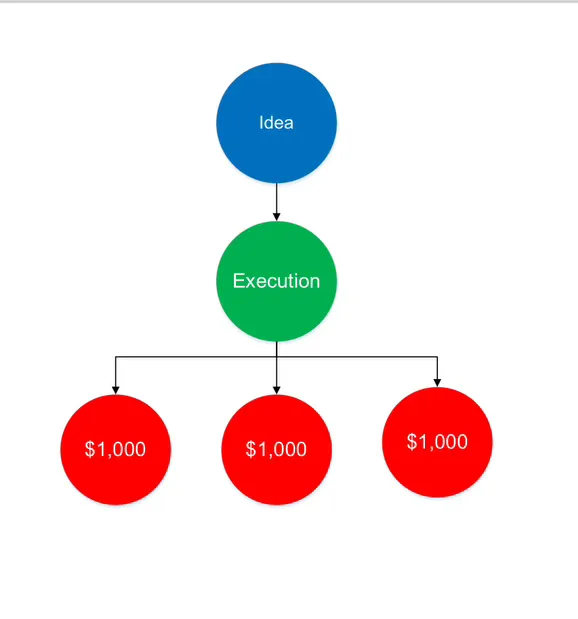
The last 5% is when your idea-execution pipeline begins to suffer from what I call $1000 Syndrome. This malady is when your original plan not only does not work the way you intended, but its fallout spins out into multiple avenues that somehow each cost $1000 to remedy. Some examples:
After tile and cabinets get installed, it’s time to trim out your plumbing, lighting and hardware fixtures. When we called our supplier two weeks ago to request our trim kits, we found not only that they had forgotten to order these parts when we placed our initial order in the spring, but also that the pieces we need are made to order and will take 6-8 weeks to arrive. We were closing on the house in 3. Not only that, but in a new construction project, the bank does a second appraisal to make sure the house is complete before they agree to lend the money for the mortgage at closing. With no fixtures, we couldn’t close on the house and our construction loan was about to mature. We had to cobble together a frankenstein of random plumbing pieces that worked with our rough fittings to get around this. Of course, these fittings are only compatible with one brand of faucet. A luxury brand. This cost $2000 for something that would be hanging on the wall for 3 weeks.

In 1923, there was a convention at the Chicago Coliseum. Plopped in the middle of the room was a full-sized bungalow, completely furnished. The design was by architect R.C. Spencer and was the winner of the “best small home planning ideas.” The event was the culmination of the growing “Own Your Own Home” movement of the 1910s and early 1920s, where, amongst a booming population, rent prices in Chicago had doubled in a five-year span. Looking to capitalize on these renters’ frustrations and a post-WWI frenzy for new housing, the event was put on by the Chicago Board of Realtors. 150,000 spectators turned out. What followed was the biggest mass building boom in Chicago’s history, where the city’s underutilized borderlands were transformed into thousands of homes for middle-income earners seemingly overnight.
Sound familiar? Today, we are experiencing a housing shortage nationally of 4.5 million units, and it is felt locally. Housing inventory in Illinois is 67% lower than pre-pandemic levels. Even amidst decades high interest rates, buyer demand in Chicago remains incredibly strong.
As housing affordability reaches its nadir, I’m seeing more and more think pieces about Chicago bungalows — and how to build a 21st-century counterpart to these famed starter homes. Between 1910 and 1930, tens of thousands of these homes went up. At the time, the median cost of a bungalow in Chicago was roughly 1.5 to 3 times the average household income in 1925. Today, the ratio for all single-family homes has climbed to about 4.5 times the median household income — and for new construction, 17 times. Yet these century-old bungalows aren’t just still standing; they’re still coveted by buyers. Maybe it’s time to go back to the well and ask what it would take to replicate this beloved form today.
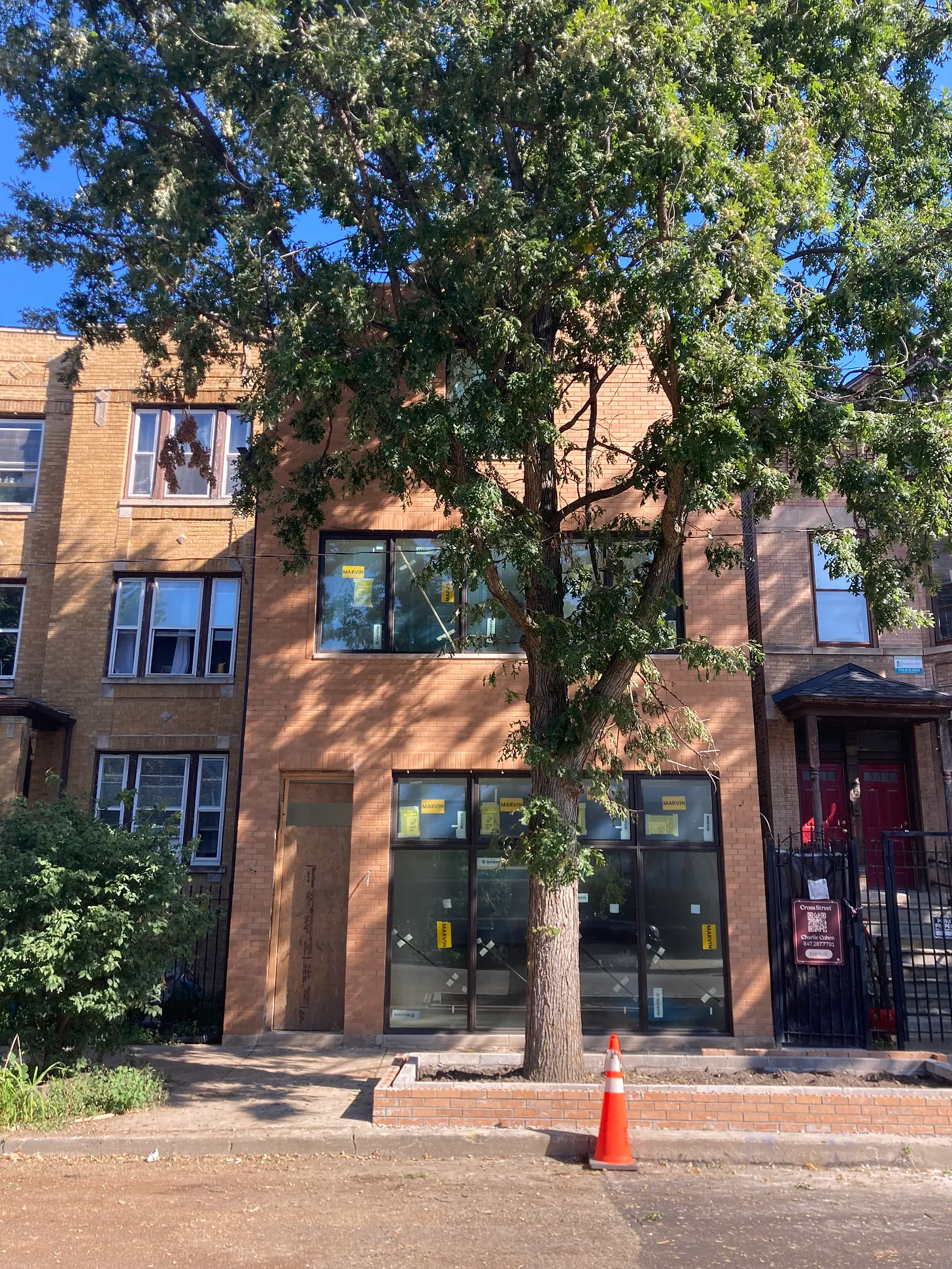
When is the last 15% of anything easy? Obamacare, weight loss, downloading Bawitaba on dial-up, the last steps of what seems to be a seemingly binary process devolves into a fire drill with a constant stream of tiny overlooked items eating you alive.
This house is no exception. Like any big retrofit project, there have been a series of calamities. Collapsing facades, psychotic neighbors, months-delayed windows, etc. But by and large, we sailed through framing, masonry, mechanical rough-ins, drywall. The last 15% is coming along about as smooth as sandpaper. Details/devils something like that?
This project is chock-full of inspiration and riffs on some of my favorite modernist design turns. Our original idea was that by incorporating a more refined aesthetic language into this house, we could create a better and more highly valued project than our competition.
Problem is the moodboard we used for inspiration is just that, a collection of pretty pictures. It’s so easy to forget that these buildings we love and took so many cues from aren’t spec homes in Chicago. They’re custom homes built for the global plutocrats who often have nary a care about the future economic viability of what they’re building, and it is executed by the best of skilled tradesmen and designers. These are projects where the smallest trim detail, pattern, or material has the luxury of time and money to be made perfect. So how do you build something like this on spec for the Chicago market?

What’s the most reviled role in real estate? Surely landlord. Just the word. landLORD. Medieval. Sneering gentry LORDing over their fiefdom, snatching the last farthings of their bowl cut, sooty-faced plebes who all day break their backs tilling rented fields.
Maybe it’s the Real Estate broker. Pathologically overdressed with blinding veneers. Clogging up your instagram feed whoring for business. The two pages of badges and accolades in their email signature will definitely make you forget they were tending bar at Hubbard Inn this time last year.
If you’ve attended a community meeting lately or followed the saga of the Northwest Side Preservation Ordinance, you might think the answer is the developer. What could be worse? After all, over the last century, the role has shifted from first and second generation immigrants building entry-level and middle-class housing in their own communities to carpetbagging finance majors from non-targets who destroy our city’s historic building stock to displace anyone who isn’t a Late Stage Athleisure-clad corporate cog.
There’s some validity to the hate. I’ve written at length about how all we see going ground up in construction today are large-scale multi-family rental buildings or ultra-luxury small condo buildings or single-family homes. Worse yet, they’re all so ugly.
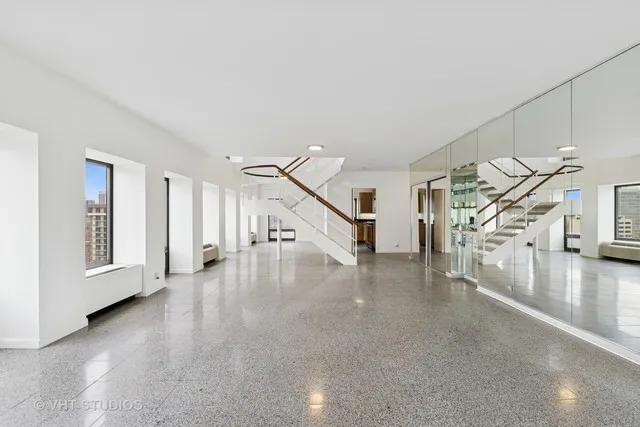
1100 n Lake Shore Drive Listing
You may not like it, but is this what peak performance looks like? Compared to the rest of Chicago’s condo market, maybe.
Perhaps the most overlooked type of residential units in Chicago are those in 1970s and 1980s high rise buildings. I understand it to a degree. The high energy costs of the era often meant lower ceilings and smaller windows. In a high-rise where the aerie effect is kind of the whole thing, this can really be a bummer.
The 1970s were a period in high rise construction between steam heat and two-pipe systems. This often meant heating and cooling in this era’s buildings were individually controlled via pass-through heat pumps, a cheap and inefficient way of temperature control and one step above lugging and installing your window-mounted AC unit up from your mildewed basement storage unit.
Of all the condos in the Near North Side, units in the 70s-80s buildings fare the worst at market. Long market times compound and often leave sale prices even below their post-2008 foreclosure or short sale prices. 1100 Lake Shore is no exception. The lowest sale prices in the last 15 years were recorded here in 2023 and 2024 . The lower priced of which had the same floor plan as the above-mentioned unit, sold for $325k, the price of a small 1bed unit without parking in Bucktown.